
Cultural influences on gambling Understanding diverse perspectives worldwide
The Historical Context of Gambling
Gambling has roots that trace back thousands of years, intertwining with the cultures and societies it has touched. Ancient civilizations, such as those in China, Egypt, and Rome, incorporated gambling into their daily lives, often associating it with luck and fortune. These historical practices laid the groundwork for how gambling evolved, influenced by factors such as religion, economics, and social structure. For a more engaging experience, you might want to check out aviamasters2.co.za, which highlights fascinating gaming elements.

As societies progressed, gambling took on various forms, reflecting the norms and values of each culture. For instance, in many Indigenous cultures, gambling was often seen as a way to resolve disputes or establish communal ties. This historical lens showcases how deeply ingrained gambling is within the fabric of society and how it has adapted to changing cultural landscapes.
Cultural Perspectives on Gambling Today
In contemporary society, gambling is viewed through diverse cultural lenses that shape attitudes and practices. In some cultures, such as those in parts of Asia, gambling is celebrated and viewed as a traditional practice that promotes social cohesion. Celebrations often include games that incorporate betting, highlighting the role of luck and fate within the cultural narrative. Understanding these perspectives can help bridge the gap between various views on the subject.
Conversely, in many Western societies, gambling can be met with skepticism or outright opposition, influenced by ethical considerations and the potential for addiction. This dichotomy illustrates the complex relationship different cultures have with gambling, where it can be both a source of entertainment and concern depending on the societal context.
The Impact of Religion on Gambling
Religion plays a significant role in shaping cultural attitudes toward gambling, with various faiths offering differing perspectives. For example, certain branches of Christianity regard gambling as morally questionable, promoting the idea of responsible stewardship over financial resources. In contrast, some Buddhist teachings view gambling as a form of attachment and distraction from spiritual growth.
The influence of religious beliefs on gambling often leads to regulations and restrictions within different societies. In Islamic cultures, for instance, gambling is prohibited, and this prohibition impacts not only personal behavior but also broader societal norms. Understanding these religious influences is crucial in grasping the diverse perspectives on gambling across the globe.
Gambling in Modern Entertainment and Media
The portrayal of gambling in entertainment and media further reflects cultural attitudes toward the activity. Movies, television shows, and video games often glamorize gambling, showcasing it as an exhilarating and lucrative endeavor. This representation can shape public perceptions and inspire interest, drawing individuals into the world of gambling.
However, the glorification of gambling can also mask the associated risks, leading to misconceptions about its nature. As media shapes cultural narratives, it is essential for individuals to critically analyze these portrayals and consider the realities of gambling, including the potential for addiction and financial loss.
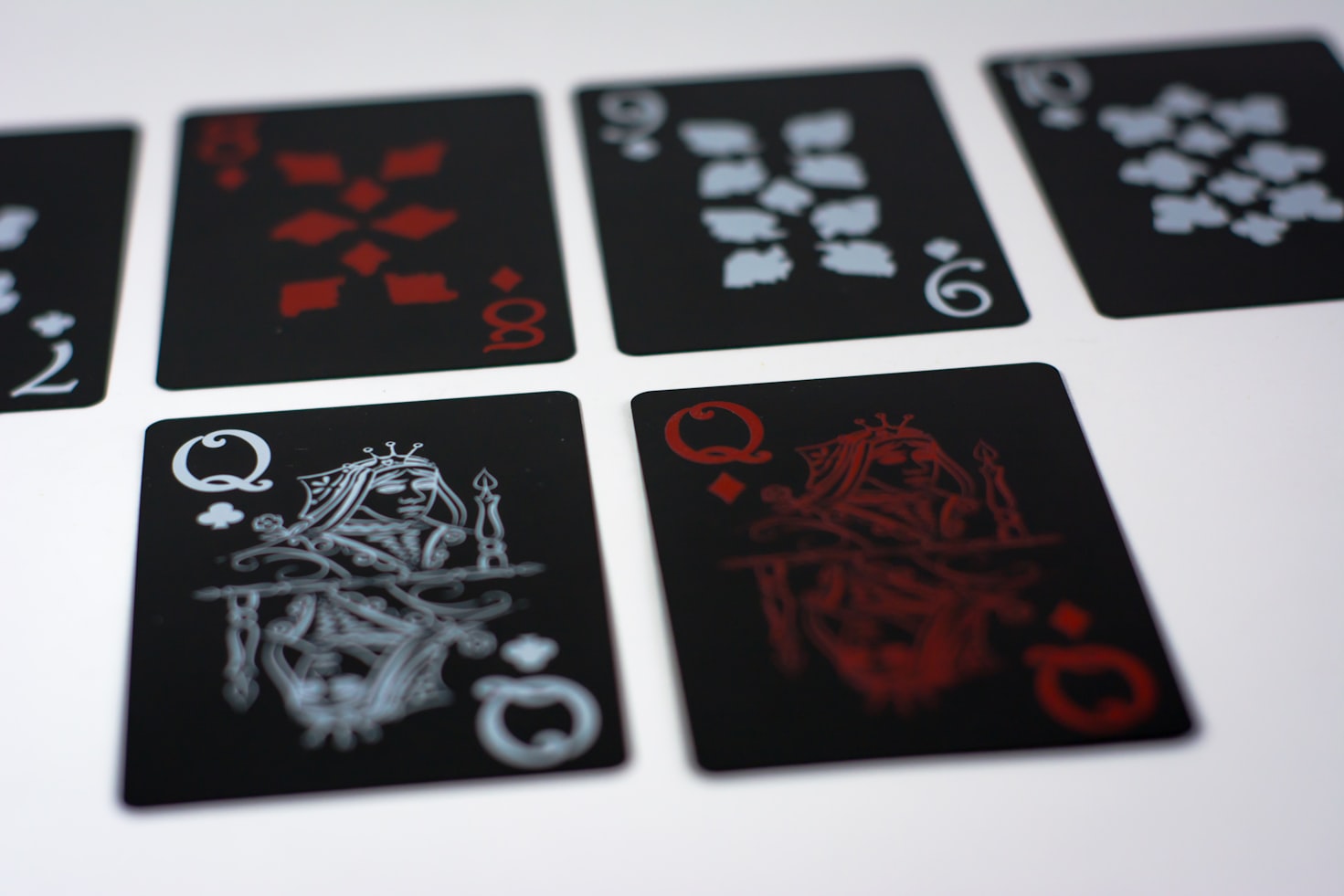
Understanding Diverse Perspectives Worldwide
Recognizing the myriad cultural influences on gambling is essential for developing a more comprehensive understanding of the practice. Each culture brings its unique background, beliefs, and values that shape the gambling experience. By appreciating these differences, individuals can engage with gambling in a more informed and respectful manner.
Ultimately, as gambling continues to evolve in the context of globalization and technological advancement, the understanding of its cultural nuances will become increasingly important. Engaging with these diverse perspectives allows for a richer conversation about gambling and its place in society today.